Located strategically in the Horn of Africa at the crossroads of major shipping routes, Djibouti is rapidly transforming its economy to become a pivotal player in global trade and investment, highlighted by its latest national development and diversification strategies. In 2023, the nation’s gross domestic product rebounded, growing by an impressive 6.7% to reach $4.1 billion due to increased port activity and renewed trade with Ethiopia.



Additionally, the country’s major infrastructure developments surged forward following large pauses due to the pandemic, with cement sales growing by 80%. The nation of just below 1 billion residents is now embarking on a promising path toward sustained economic growth with particular stress being put on its key growth sectors such as logistics, banking, green energy and information and communication technology.
US-Djibouti Partnership
The U.S. and Djibouti have enjoyed a robust partnership for many decades. Djibouti is a key U.S. ally in security, maintaining regional stability and humanitarian efforts in the greater Horn of Africa. The Djiboutian government has been supportive of U.S. interests and actively combats terrorism. Although one of Africa’s smallest countries, Djibouti occupies a strategic location at the southern entrance to the Red Sea that connects Africa and the Middle East. The country is also expected to benefit from newfound American interest in developing the African continent, with U.S. President Biden pledging $55 billion to be delivered between 2022 and 2025, specifically in developing nations.
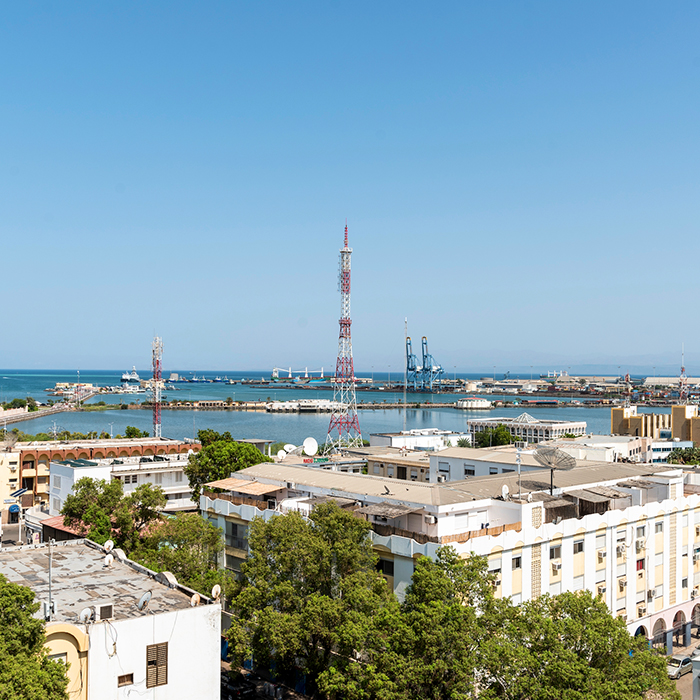
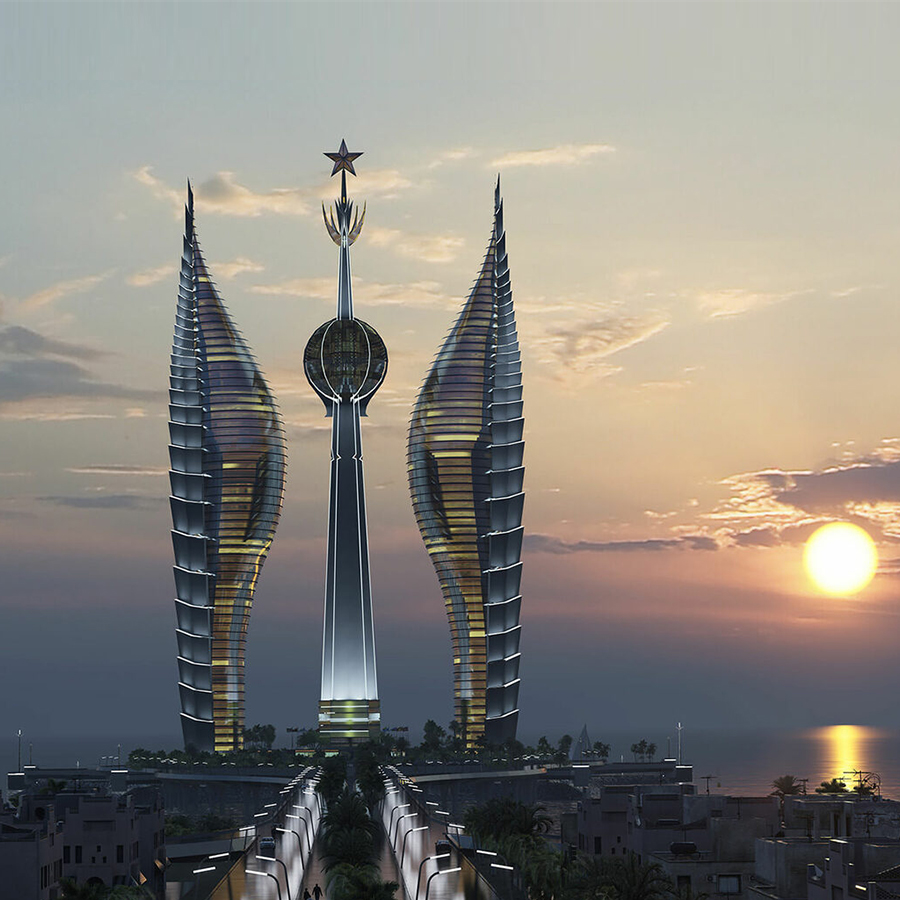
Vision 2035
Central to these developments is the implementation of Vision 2035 launched in 2014, which is aimed at achieving national security, creating new financial pathways, driving regional integration and heavily investing in human capital. The latest phase of the plan was launched in 2020 and titled Djibouti ICI: Institutions-Connectivity-Inclusion. This initiative emphasizes strengthening institutions, enhancing connectivity through infrastructure projects and promoting social inclusion. To meet the $14 billion cost of the new 2020-2024 strategy, the government has devised a comprehensive national financing strategy based on the United Nations’ Sustainable Development Goals. The blueprint includes mobilizing domestic resources, securing international funding and fostering private sector investments. A key component of this strategy is the launch of the nation’s sovereign wealth fund in 2020, which aims to attract and catalyze international investments, deliver critical projects and support the country’s long-term development goals.
Investment
Opportunities for investment abound in Djibouti, with foreign direct investment inflows hitting a high of $191 million in 2022. The World Bank has identified natural assets that could be used to develop its tourism segment, untapped marine resources that could support artisanal fishing activities and room to develop undersea telecommunications cables and new digital services industries. Additionally, Djibouti’s green energy sector is seen as an attractive investment area, with abundant geothermal, solar, and wind potential waiting to be unlocked. Moving forward, its economic outlook remains stable, with the gross domestic product remaining steady at around 5.1% from 2024 to 2026. Ongoing development projects such as the Djibouti Damerjog International Park are expected to play a large role in developing local industry and connecting the nation to the continent through the African Continental Free Trade Area agreement.
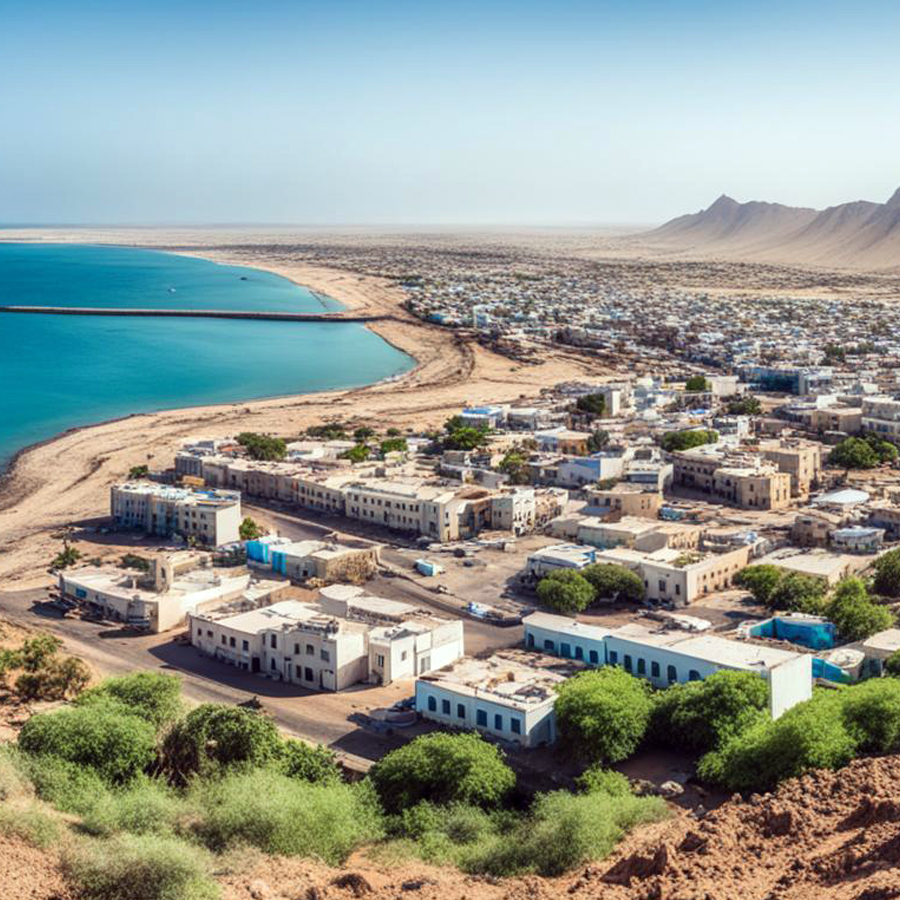
Logistics
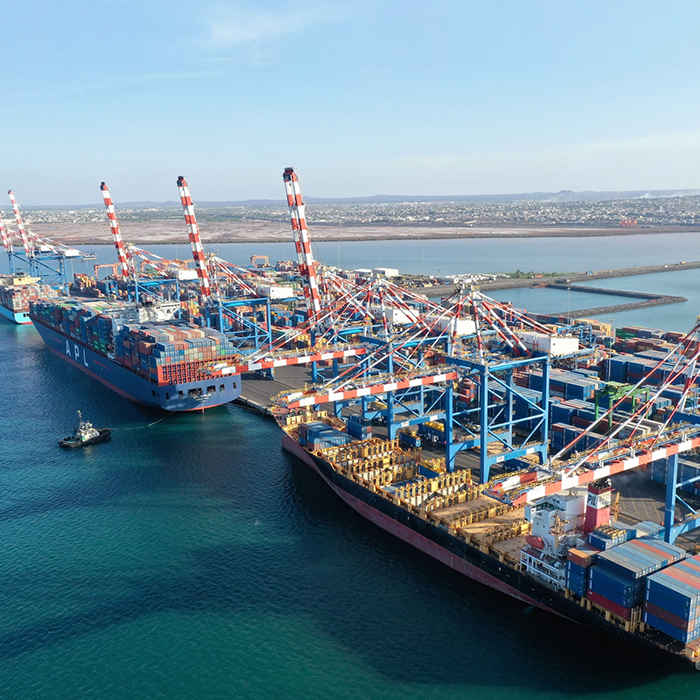
Djibouti’s economy is largely propelled by its sophisticated port complex. The World Bank recently positioned the nation as the top nation in Sub-Saharan Africa for its container ports. The logistics sector has successfully leveraged its prime geographical position and state-of-the-art port facilities to facilitate local export and serve as critical gateways for nearby landlocked African nations. Djibouti Damerjog International Park, the country’s latest flagship free trade zone, is located 18.5 miles southeast of the capital and is currently being built at a cost of more than $1 billion. By 2035, this industrial complex is expected to contain fuel storage depots, a refinery, a cement plant and a power generation plant alongside a substantial oil port. The project is a sister city to the 4,800-hectare Djibouti International Free Trade Zone focused on light industry that is located in the capital and opened in 2018.
Banking and Finance
Djibouti’s banking sector is undergoing significant reforms aimed at enhancing financial inclusion and stability with the goal of attracting more international banks and financial institutions. In the last few years, the sector has grown considerably from only two banks to around 13 in recent years. In 2022, the EU backed alterations to the nation’s investment code to improve transparency. Djibouti’s wealth fund is now its primary source of local funding. Drawing inspiration from Singapore’s transformation, Djibouti Sovereign Wealth Fund’s CEO Slim Feriani recalls, “Singapore was a very poor swampy island in the 1970s, but today it is a global economic power, capitalizing on its port activities, financial services, and tourism sector,” a vision he hopes to replicate in Djibouti in the coming years. The fund is fully backed by Djibouti Télécom and Électricité de Djibouti, two key national enterprises. Additionally, it holds a 40% share in the influential Great Horn Investment Holding, which integrates Djibouti’s logistics links serving the region. Furthermore, it benefits from 20% of the revenue from military bases, amounting to $125 million annually.

Energy
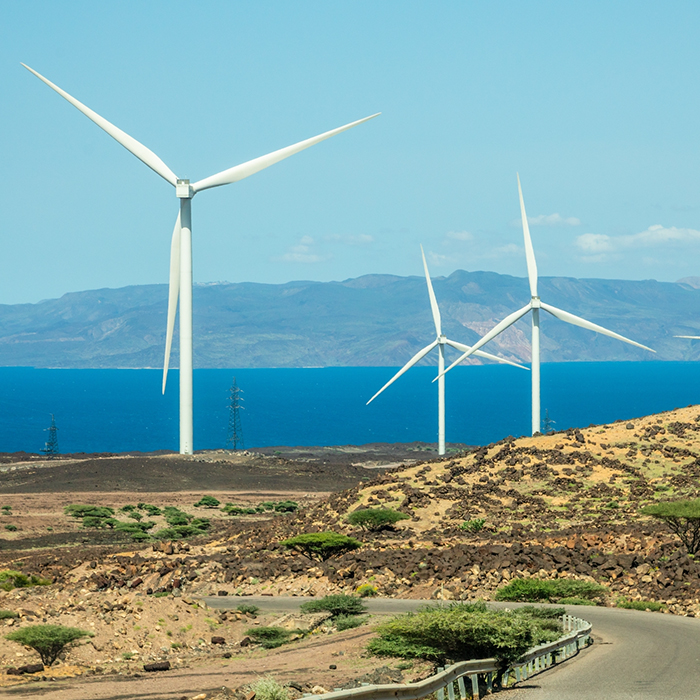
Djibouti’s energy sector is experiencing notable advancements, particularly in renewable energy projects utilizing that country’s plentiful geothermal, solar and wind power sources. The government intends to use the new diversification of supply to ensure sustainable energy supply and reduce reliance on imported fuels. President Guelleh has set a target for the nation to be powered by 100% green energy by 2035. In September 2023, the country inaugurated its first wind farm near the Bay of Ghoubet. Additionally, Colorado-based CR Energy Concepts is spearheading Djibouti’s $190-million Renewable Energy Park, the first infrastructure project in Djibouti to be developed by the U.S. private sector. This waste-to-energy project will support $115 million in U.S. exports, with 90% of the equipment being American-made. The park is expected to add 35MWh of electricity to the country’s local grid and generate employment. The country is also actively exploring development of a hydrogen sector through ongoing feasibility studies.
Digital Economy
The information and communication technology sector in Djibouti is also expanding rapidly with the goal of positioning the country as a regional hub for digital innovation. Currently the sector is being fueled by investments in digital infrastructure and the proliferation of new tech startups. The government has substantial ambitions in the digital realm, which currently represents 8% of its gross domestic product. Through Djibouti Télécom, a state-owned operator, the state has invested in twelve undersea cables with the goal to create a critical connectivity hub linking Europe, the Middle East, Asia and Africa.

Tourism
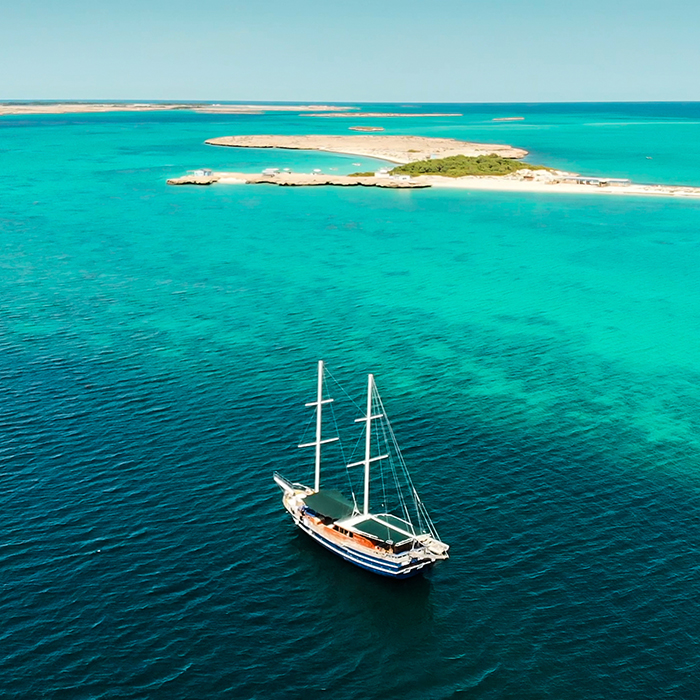
Tourism is emerging as a vital sector for Djibouti’s economy. The nation’s unique landscapes, rich cultural heritage and strategic location offer significant potential for tourism development. The government is now leaning heavily on using the sector as an avenue for economic diversification and job creation. The Red Sea World International Exhibition Centre, inaugurated in June 2022 by President Ismaïl Omar Guelleh, is expected to become a major attraction in the coming years. Although tourism currently contributes only 3% to the nation’s gross domestic product, the state aims to double this figure by 2035 with a set target to attract 500,000 visitors annually. Djibouti plans to emphasize its marine and terrestrial biodiversity including its plains, mountains, lakes, plateaus, beaches, mangroves and islands as a natural retreat rather than focus on mass tourism.